How Long Do Dental Implants Last? Expert Insights & Care Tips
How Long Do Dental Implants Last? Everything You Need to Know
Missing teeth can affect your smile, confidence, and oral health. Dental implants are considered one of the most durable and long-lasting tooth replacement options available today. A common question patients ask is how long do dental implants last before they need replacement.
The lifespan of implants depends on oral hygiene, lifestyle habits, overall health, and the quality of treatment. Understanding these factors helps patients maintain healthy results for many years.
What Are Dental Implants?

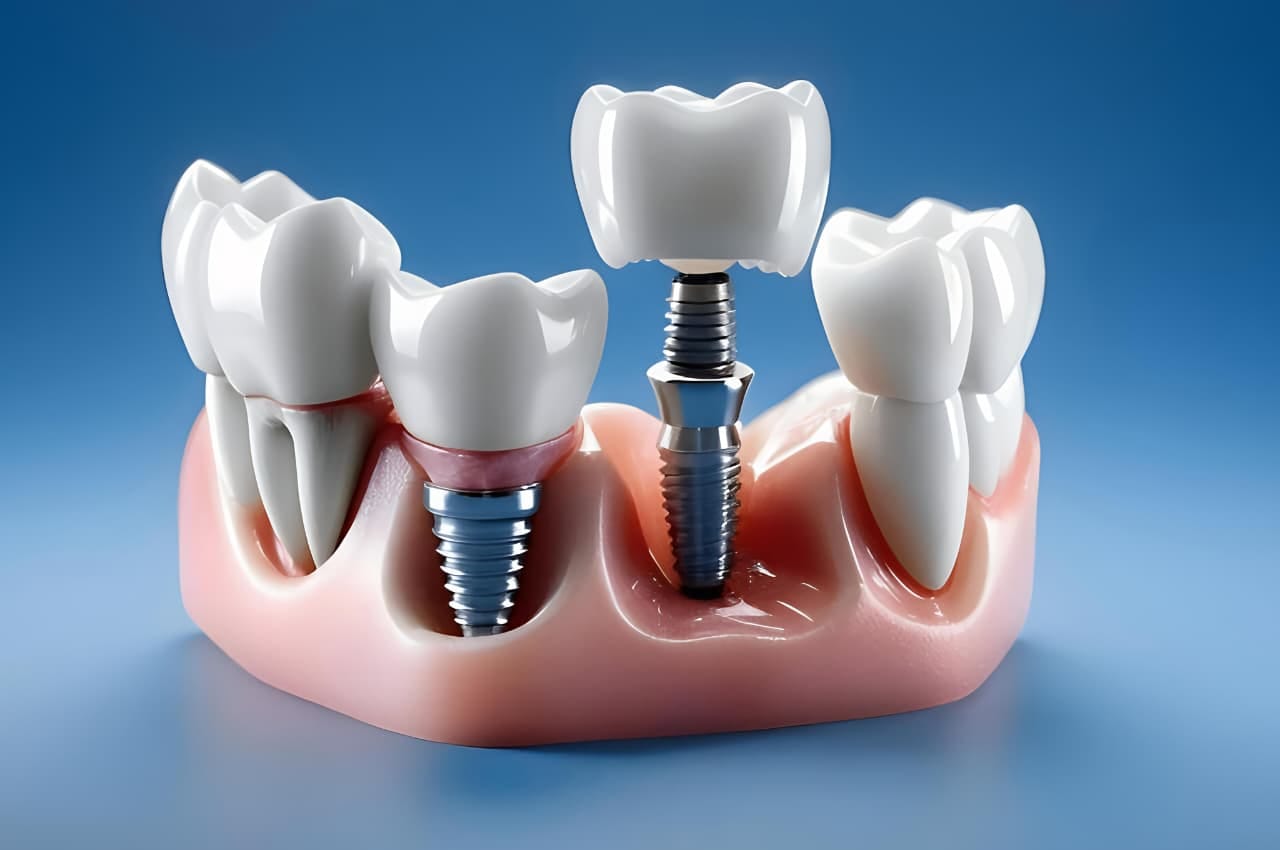
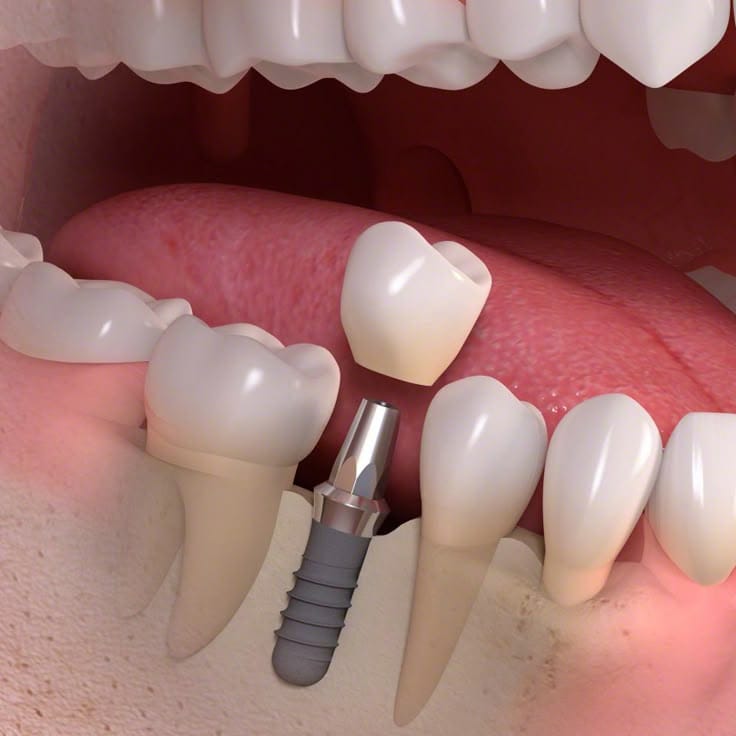
s are artificial tooth roots made from titanium or similar materials. They are surgically placed into the jawbone to support crowns, bridges, or dentures.
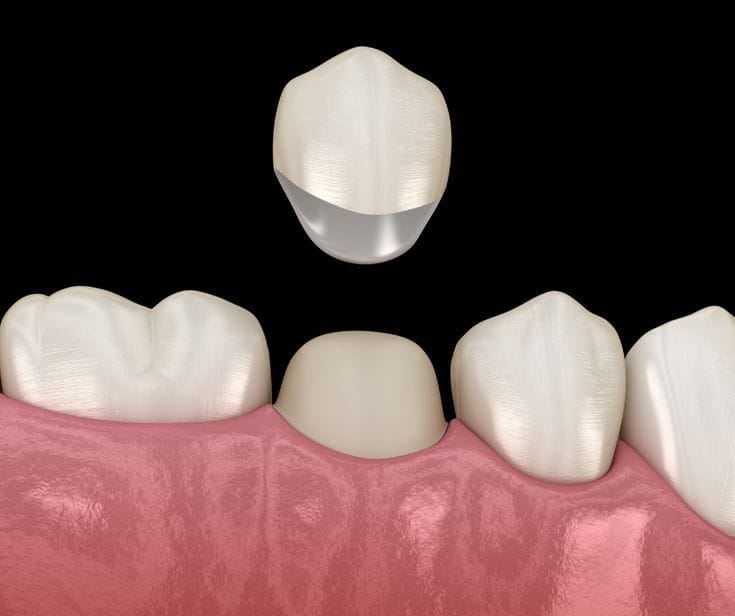
Dental implants contain three parts:
- Implant post
- Abutment
- Crown (replacement tooth)
Implants provide a natural appearance and function similar to real teeth.
How Long Do Dental Implants Last? Complete Guide to Implant Lifespan
Many studies show that dental implants can last 20 years or more, and in some cases even a lifetime with proper care. The implant post often lasts longer than the crown attached to it.
According to the (NIDCR), dental implants have high long-term success rates when maintained properly.

Factors affecting implant longevity include:
- Oral hygiene habits
- Smoking
- Gum disease
- Bone health
- Medical conditions
- Quality of implant placement
- Regular dental checkups
Patients who maintain proper care often experience excellent long-term outcomes.
Average Lifespan of Implant Components
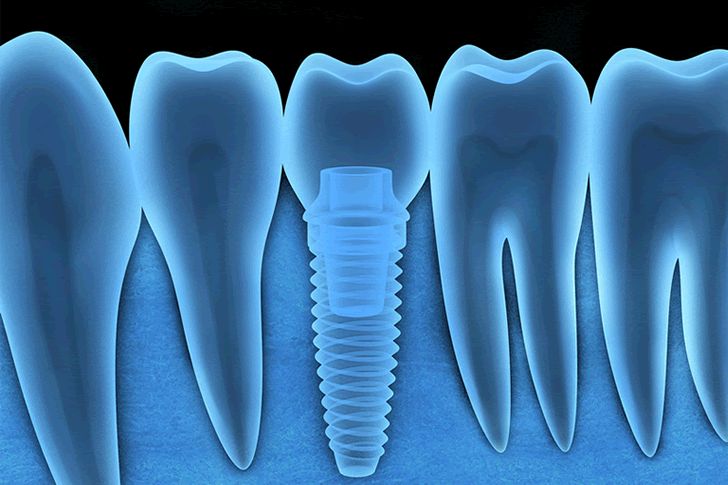
Implant Post
The titanium implant placed inside the jawbone may last decades or permanently.
Crown
The visible crown usually lasts around 10–15 years before replacement due to normal wear.
Abutment
Abutments often last many years unless damaged.
Factors That Affect Dental Implant Lifespan

1. Oral Hygiene
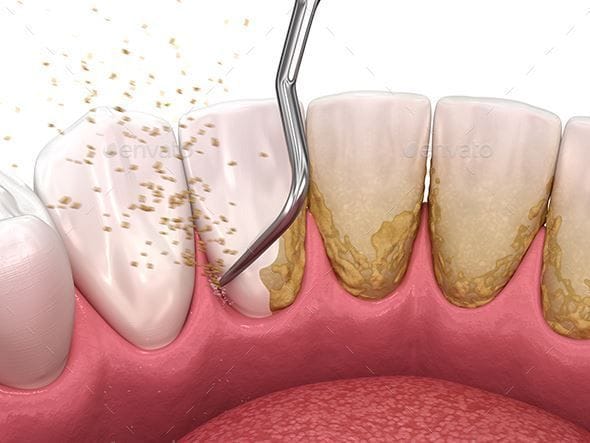
Poor brushing and flossing increase infection risk around implants.
Maintain:
- Professional cleaning visits
- Brushing twice daily
- Daily flossing
The (ADA) recommends consistent oral hygiene and routine dental checkups to support long-term implant health.
2. Smoking
Smoking slows healing and increases implant failure risk significantly.

Research from Mayo Clinic explains that smoking can negatively affect healing and long-term oral health outcomes.
3. Gum Disease
Healthy gums are essential for implant success. Untreated periodontal disease may shorten implant lifespan.

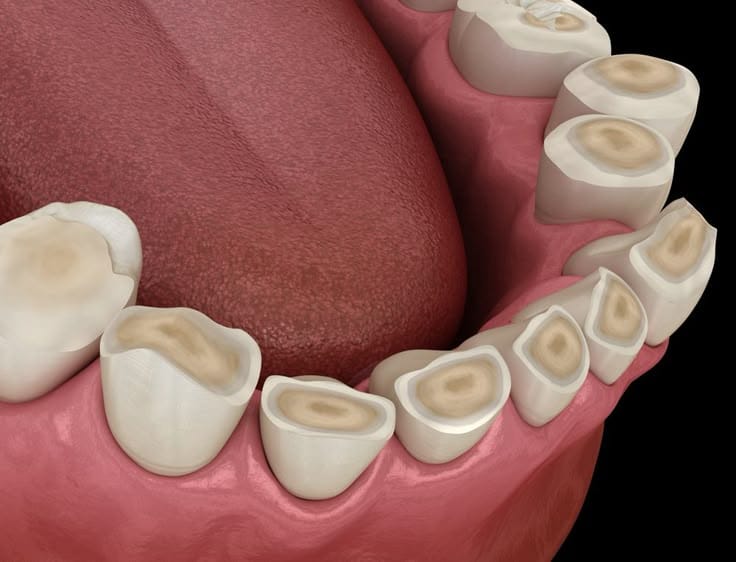
4. Teeth Grinding
Grinding places extra pressure on implants. Dentists may recommend night guards.
Signs Your Dental Implant Needs Attention
Seek evaluation if you notice:

- Pain near implant area
- Loose implant crown
- Swelling
- Bleeding gums
- Difficulty chewing
Early treatment helps avoid complications. The Cleveland Clinic advises seeking prompt evaluation for swelling, pain, or implant looseness.
How Long Do Dental Implants Last Compared to Other Tooth Replacements?
Comparison:
| Treatment | Average Lifespan |
|---|---|
| Dental Implants | 20+ years or lifetime |
| Dental Bridges | 5–15 years |
| Dentures | 5–10 years |
Implants often provide greater durability and stability.
Tips to Make Dental Implants Last Longer
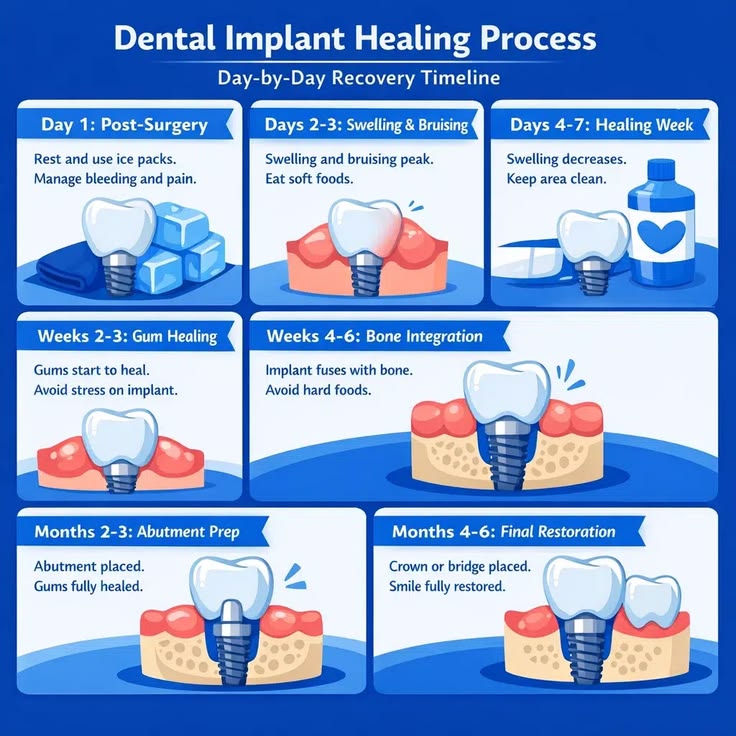
To increase implant longevity:
✔ Brush twice daily
✔ Avoid smoking
✔ Attend regular dental checkups
✔ Treat gum disease early
✔ Wear night guards if needed
✔ Follow dentist instructions carefully
These habits improve implant survival rates.
Cost vs Long-Term Value
Although implants initially cost more than bridges or dentures, their long lifespan may make them more cost-effective over time.
Patients often choose implants because of:
- Better chewing ability
- Natural appearance
- Bone preservation
- Long-term durability
Final Thoughts on How Long Do Dental Implants Last
For most patients, implants can remain successful for decades when properly maintained. If you are wondering how long do dental implants last, the answer depends heavily on oral hygiene, professional care, and lifestyle choices.
Regular dental visits and good daily habits help maximize implant longevity and maintain a healthy smile.
Maintaining oral health aligns with preventive healthcare recommendations from the (WHO).