Dental Crowns and Bridges: Everything You Need to Know
A healthy smile plays a vital role in both confidence and overall oral health. Damaged, weakened, or missing teeth can affect your ability to chew, speak, and smile comfortably. Fortunately, Dental Crowns and Bridges provide reliable and long-lasting solutions for restoring the function and appearance of your teeth.
Whether you have a cracked tooth, severe decay, or one or more missing teeth, Dental Crowns and Bridges can help restore your smile and improve your quality of life. In this comprehensive guide, we will explore what crowns and bridges are, their benefits, treatment procedures, costs, and how to maintain them for long-term success.
What Are Tooth Crown Treatments?
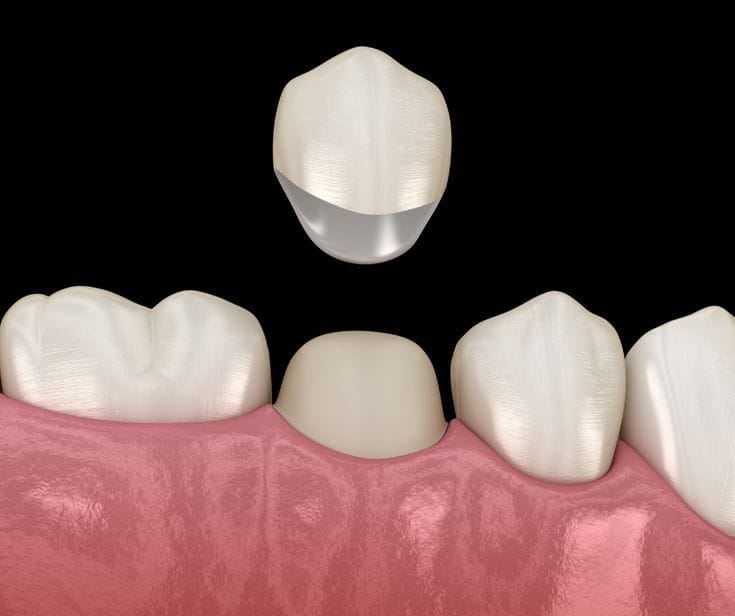
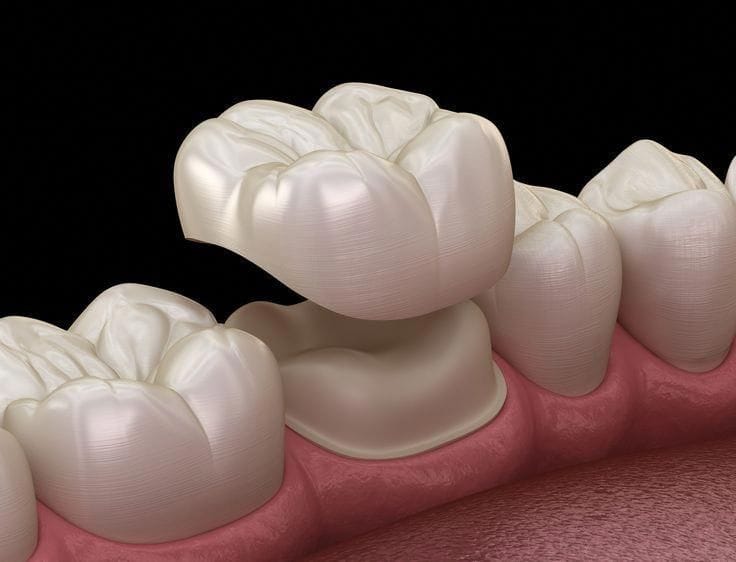
A dental crown is a custom-made cap placed over a damaged or weakened tooth. It restores the tooth’s shape, size, strength, and appearance while protecting it from further damage.
Modern crowns are often made from porcelain, ceramic, metal alloys, or a combination of materials. Dentists recommend crowns for various situations, including:
- Severely decayed teeth
- Cracked or fractured teeth
- Root canal-treated teeth
- Worn-down teeth
- Cosmetic smile improvements
One of the biggest advantages of Dental Crowns and Bridges is their ability to restore both function and aesthetics. A properly designed crown blends seamlessly with your natural teeth.
Understanding Dental Bridge Treatment
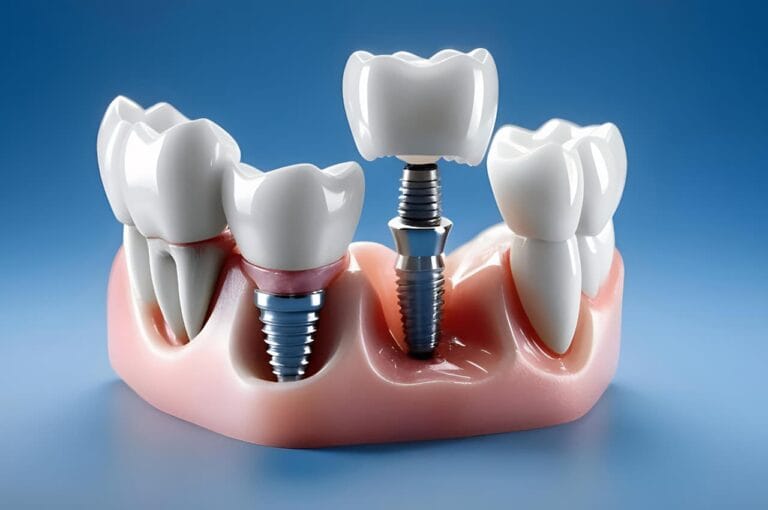
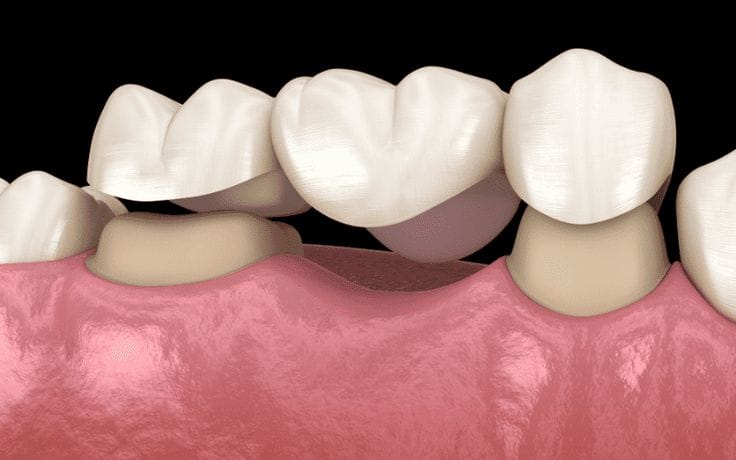
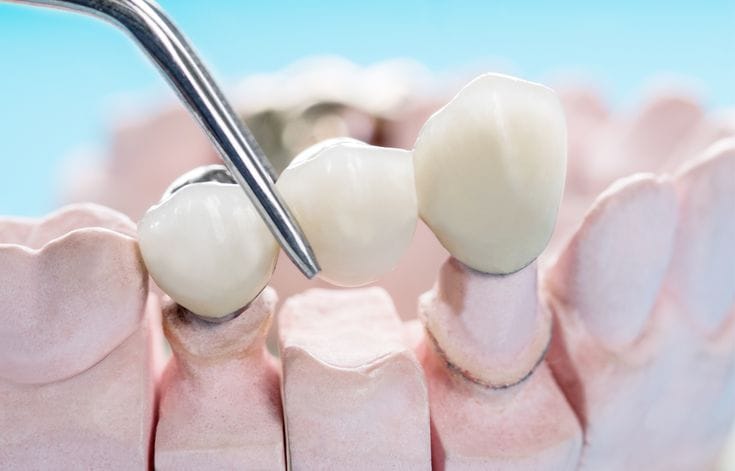
A dental bridge is a fixed restoration used to replace one or more missing teeth. It consists of artificial teeth, known as pontics, supported by crowns attached to adjacent natural teeth or dental implants.
Missing teeth can lead to several oral health issues, including:
- Shifting of neighboring teeth
- Bite misalignment
- Difficulty chewing
- Speech problems
- Jawbone deterioration
Dental Crowns and Bridges effectively address these concerns by filling gaps and restoring proper dental function.
Benefits of Dental Crowns and Bridges
There are many reasons why patients choose Dental Crowns and Bridges for smile restoration.
Improved Appearance
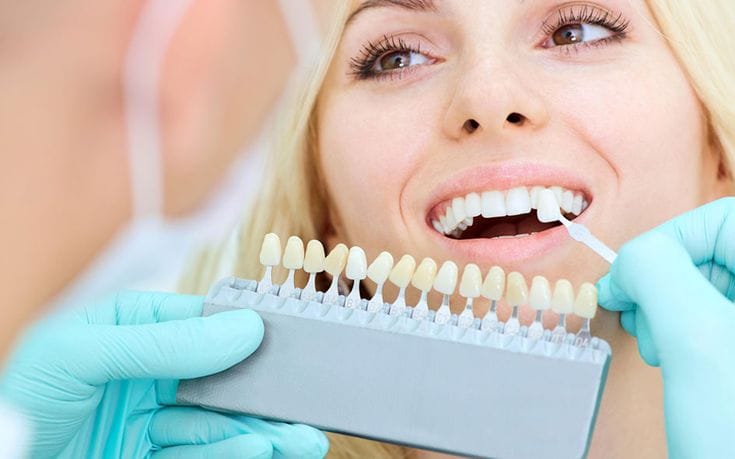
Crowns and bridges are designed to match the color, shape, and size of your natural teeth. This creates a seamless and attractive smile.
Enhanced Functionality
Patients can chew, bite, and speak more comfortably after treatment. Dental Crowns and Bridges restore the strength and functionality of damaged or missing teeth.
Long-Lasting Solution
With proper care, crowns and bridges can last between 10 and 15 years or even longer.
Protection for Damaged Teeth
Crowns provide a protective covering that helps prevent further damage to weakened teeth.
Better Oral Health
Replacing missing teeth helps maintain proper alignment and prevents complications associated with tooth loss.
Tooth Replacement Solutions for Missing Teeth
When a tooth is missing, prompt treatment is essential. Leaving gaps untreated can result in additional oral health problems over time.
Several tooth replacement options exist, including:
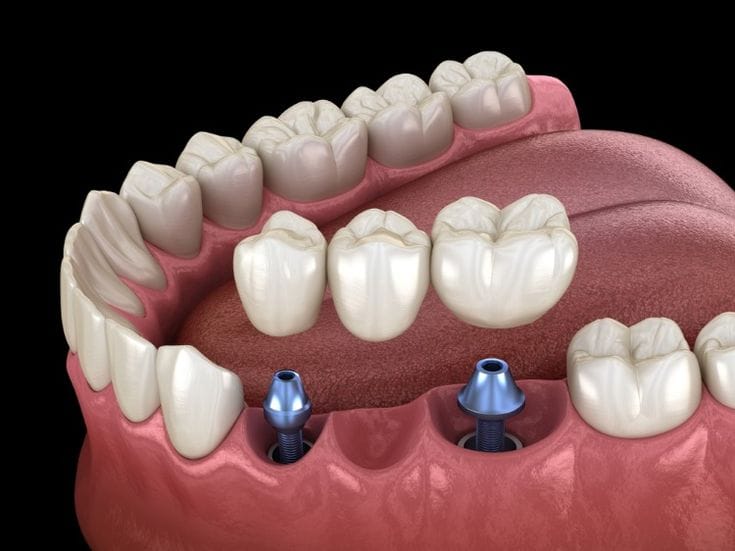
- Dental implants
- Partial dentures
- Full dentures
- Dental Crowns and Bridges
For many patients, bridges offer an effective balance of affordability, durability, and aesthetics.
Your dentist will evaluate factors such as jawbone health, number of missing teeth, and overall oral condition before recommending the most suitable solution.
Porcelain Dental Crowns: A Popular Choice
Porcelain crowns are among the most popular options in modern dentistry because they closely resemble natural teeth.
Advantages of porcelain crowns include:
- Natural appearance
- Excellent durability
- Stain resistance
- Biocompatibility
- Comfortable fit
Porcelain crowns are commonly used in visible areas of the mouth where aesthetics are especially important.
Many patients choose Dental Crowns and Bridges made from porcelain to achieve the most natural-looking results.
The Dental Crowns and Bridges Procedure
Understanding the treatment process can help patients feel more confident about their upcoming appointment.
Initial Consultation
The dentist performs a comprehensive examination, including X-rays and oral assessments. Treatment goals and options are discussed.
Tooth Preparation
For crown placement, the affected tooth is reshaped to create space for the restoration.
For bridge treatment, supporting teeth are prepared to anchor the bridge securely.
Digital Impressions
Advanced digital scans or traditional impressions are taken to ensure precise restoration design.
Temporary Restoration
Temporary crowns or bridges may be placed while the permanent restoration is being fabricated.
Final Placement
Once the custom restoration is ready, the dentist carefully checks the fit, appearance, and bite before permanently bonding it in place.
The entire Dental Crowns and Bridges process is typically completed in two appointments.
Restorative Dentistry and Oral Health
Restorative dentistry focuses on repairing damaged teeth and replacing missing teeth to restore optimal oral function.
Dental Crowns and Bridges play a major role in restorative dentistry because they help:
- Preserve natural teeth
- Improve chewing efficiency
- Enhance speech clarity
- Maintain facial structure
- Prevent dental complications
Patients who invest in restorative treatments often experience significant improvements in both oral health and confidence.
Caring for Fixed Dental Prosthetics
Proper maintenance is essential for maximizing the lifespan of your crowns and bridges.
Follow these care tips:
Brush Twice Daily
Use a soft-bristled toothbrush and fluoride toothpaste to keep teeth and restorations clean.
Floss Carefully
Special floss threaders or interdental brushes can help clean underneath bridgework.
Attend Regular Dental Checkups
Routine professional cleanings allow dentists to monitor the condition of your Dental Crowns and Bridges.
Avoid Hard Foods
Chewing ice, hard candies, or other hard objects may damage restorations.
Wear a Night Guard if Needed
Patients who grind their teeth may benefit from a custom night guard to protect their crowns and bridges.
Who Is a Good Candidate for Dental Crowns and Bridges?
Most adults with damaged or missing teeth may qualify for treatment.
Good candidates generally have:
- Healthy gums
- Adequate supporting teeth
- Good oral hygiene habits
- Sufficient jawbone support
- Commitment to regular dental visits
Your dentist will determine whether Dental Crowns and Bridges are the most appropriate treatment based on your specific needs.
Cost of Dental Crowns and Bridges
The cost varies depending on several factors:
- Materials used
- Number of teeth involved
- Complexity of treatment
- Geographic location
- Dental clinic expertise
While crowns and bridges require an initial investment, their durability and benefits make them a cost-effective long-term solution for many patients.
Many dental clinics also offer flexible payment plans to make treatment more affordable.
Why We Recommend Vijaya Dental & Implant Center
If you’re considering Dental Crowns and Bridges, we highly recommend Vijaya Dental & Implant Center for its commitment to quality care, experienced dental professionals, and patient-first approach. The clinic is known for using advanced technology and high-quality materials to create natural-looking, durable restorations that restore both function and confidence. With personalized treatment plans, transparent communication, and a focus on patient comfort, Vijaya Dental & Implant Center is an excellent choice for anyone seeking reliable and long-lasting dental solutions.