Oral Prophylaxis Benefits Procedure Guide
Maintaining excellent oral hygiene is essential for healthy teeth and gums. While brushing and flossing are important daily habits, they are not always enough to remove plaque and tartar buildup. This is where the Oral Prophylaxis Benefits Procedure becomes important. Professional dental cleaning helps remove harmful deposits from the teeth and gums, preventing oral diseases and improving overall oral health.
The Oral Prophylaxis Benefits Procedure is a preventive dental treatment recommended for individuals of all ages. It not only helps maintain a clean and healthy smile but also reduces the risk of serious dental problems in the future. Understanding this procedure can help patients make informed decisions about their oral health.
Oral Prophylaxis Procedure Explained
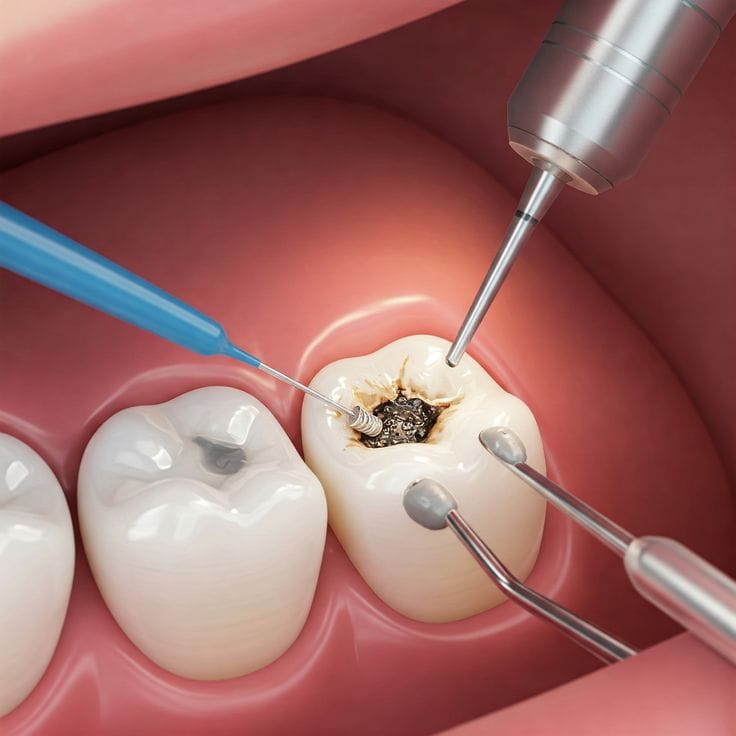
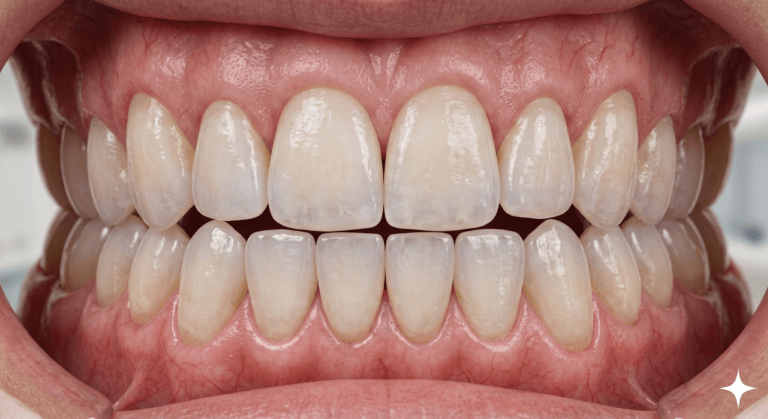
The Oral Prophylaxis Benefits Procedure refers to professional teeth cleaning performed by a dentist or dental hygienist. The procedure focuses on removing plaque, tartar, and stains that cannot be eliminated through regular brushing alone.
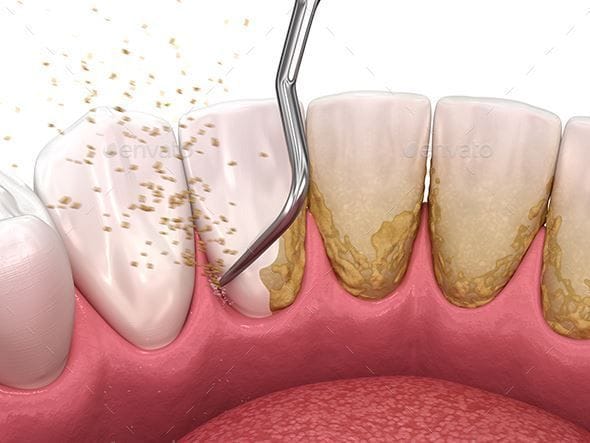
Over time, plaque accumulates on tooth surfaces and hardens into tartar. Once tartar forms, professional cleaning is required to remove it. Oral prophylaxis helps keep teeth clean, gums healthy, and breath fresh.
Why Oral Prophylaxis Procedure Matters
Preventive dentistry is always better than corrective treatment. The Oral Prophylaxis Benefits Procedure plays a major role in preventing common oral health problems before they become severe.
Some key reasons why this procedure matters include:
- Prevents plaque buildup
- Reduces tartar accumulation
- Helps prevent gum disease
- Lowers cavity risk
- Removes stains from teeth
- Improves oral hygiene
- Maintains fresh breath
- Supports overall health
Regular professional cleaning can significantly reduce the need for extensive dental treatments in the future.
Benefits of Oral Prophylaxis
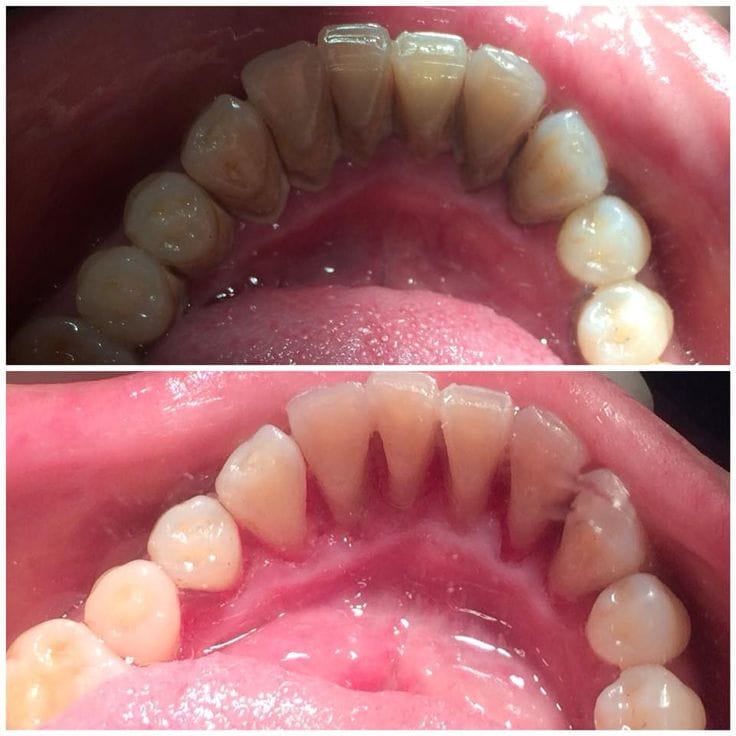
Prevents Gum Disease
Gum disease often begins with plaque accumulation along the gumline. Professional cleaning removes these deposits and helps keep the gums healthy.
Reduces Tooth Decay
Plaque contains bacteria that produce acids capable of damaging tooth enamel. Regular cleanings reduce bacterial buildup and lower the risk of cavities.
Removes Stubborn Stains
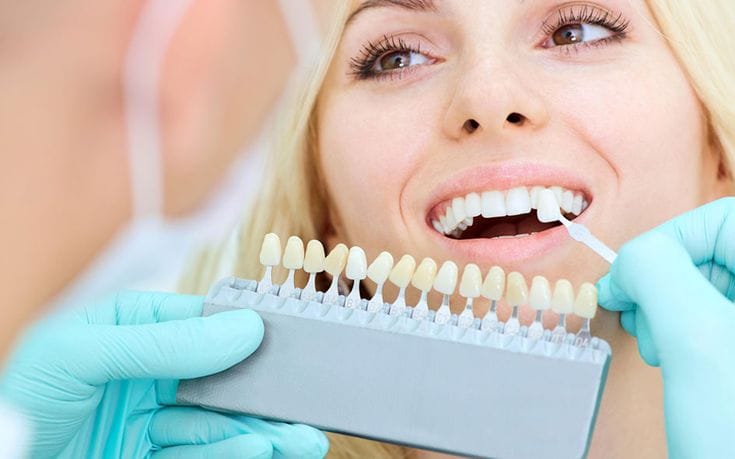
Tea, coffee, tobacco, and colored foods can stain teeth over time. Professional cleaning helps remove many surface stains and improves the appearance of your smile.
Improves Breath Freshness
Persistent bad breath is often caused by bacteria in the mouth. Professional cleaning removes bacterial deposits that contribute to unpleasant odors.
Enhances Overall Oral Health
Healthy gums and clean teeth contribute to better oral health and a more confident smile.
Oral Prophylaxis Procedure Step by Step
Initial Oral Examination
The dentist first examines the teeth and gums to identify any signs of oral disease or areas requiring special attention.
Scaling During Oral Prophylaxis Procedure
Scaling is one of the most important stages of the Oral Prophylaxis Benefits Procedure. Specialized instruments are used to remove plaque and tartar deposits from the tooth surfaces and below the gumline.
This step helps reduce bacterial buildup and prevents gum disease progression.
Polishing During Oral Prophylaxis Procedure
After scaling, the teeth are polished using a professional polishing paste. Polishing smoothens tooth surfaces and removes minor stains.
A smooth tooth surface makes it harder for plaque to accumulate quickly.
Fluoride Treatment
In some cases, fluoride may be applied to strengthen enamel and provide additional protection against cavities.
Oral Hygiene Instructions
The dentist may recommend specific brushing and flossing techniques to help maintain the results of the cleaning.
Who Should Undergo Oral Prophylaxis?
Children
Children benefit from regular professional cleanings to reduce cavity risk and establish healthy oral habits.
Adults
Adults should schedule regular dental cleanings to maintain healthy teeth and gums.
Seniors
Older adults are more susceptible to gum disease and tooth loss, making preventive care particularly important.
Orthodontic Patients
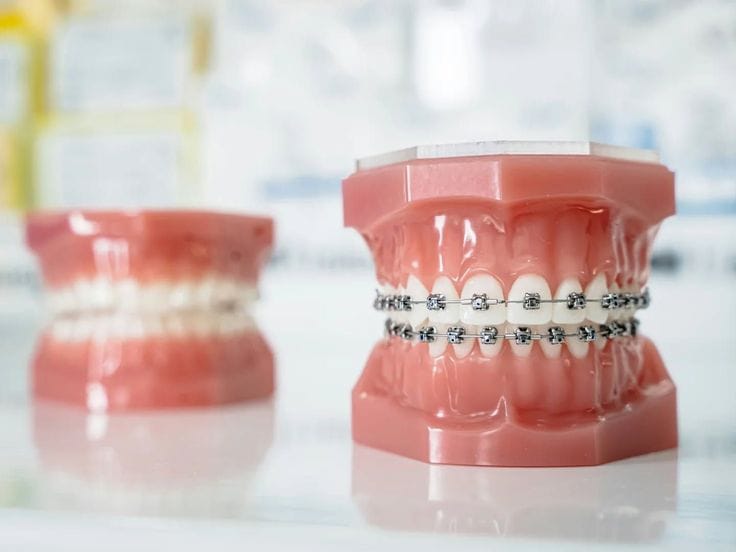
Individuals with braces often find it difficult to clean all tooth surfaces effectively. Professional cleaning helps remove trapped plaque and food particles.
Smokers
Smoking can increase plaque buildup and tooth staining. Professional cleaning helps improve oral hygiene and appearance.
How Often Should You Get Oral Prophylaxis?
The frequency of professional cleaning depends on individual oral health conditions.
Most dentists recommend:
- Every six months for healthy individuals
- Every three to four months for patients with gum disease
- More frequent visits for smokers or high-risk patients
Your dentist will determine the most appropriate schedule based on your oral health needs.
Signs You Need Professional Teeth Cleaning
Several symptoms may indicate the need for oral prophylaxis:
Bleeding Gums
Gums that bleed during brushing or flossing may indicate plaque buildup and early gum disease.
Persistent Bad Breath
Chronic bad breath often results from bacterial accumulation in the mouth.
Visible Tartar Deposits
Yellow or brown deposits near the gumline are common signs of tartar buildup.
Tooth Sensitivity
Plaque and tartar accumulation can contribute to increased tooth sensitivity.
Stained Teeth
Professional cleaning can help remove many external stains caused by foods, beverages, and tobacco.
Oral Prophylaxis Benefits Procedure for Long-Term Oral Health
The Oral Prophylaxis Benefits Procedure is not simply a cosmetic treatment. It is an essential preventive measure that protects the teeth and gums from disease. Regular professional cleaning supports long-term oral health by reducing plaque, tartar, and harmful bacteria.
Individuals who receive routine professional cleanings often experience fewer dental problems and maintain healthier smiles for many years.
Tips to Maintain Results After Oral Prophylaxis
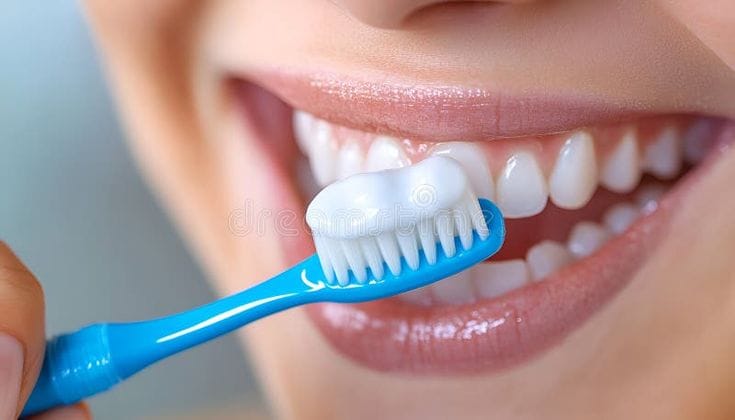
Brush Twice Daily
Use fluoride toothpaste and a soft-bristled toothbrush.
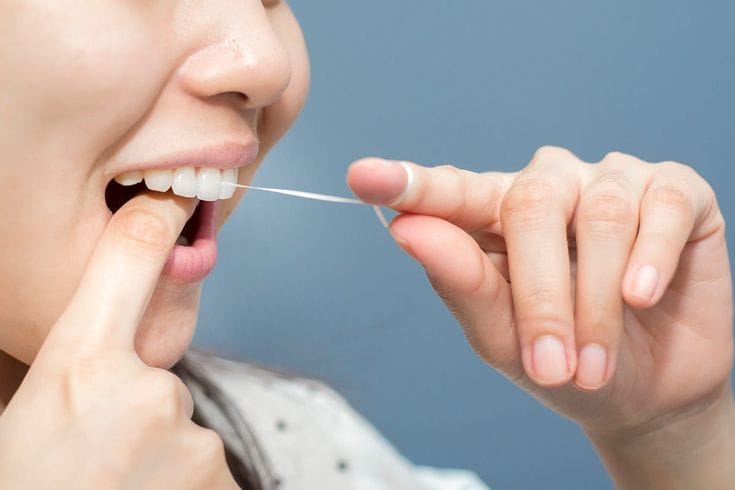
Floss Every Day
Flossing helps remove plaque between teeth where brushing cannot reach.
Drink Plenty of Water
Water helps rinse away food particles and bacteria.

Limit Sugary Foods
Reducing sugar consumption lowers cavity risk.

Visit Your Dentist Regularly
Routine dental checkups help maintain healthy teeth and gums.
Conclusion
The Oral Prophylaxis Benefits Procedure is one of the most effective preventive dental treatments available today. It helps remove plaque, tartar, and stains while reducing the risk of cavities, gum disease, and bad breath. By scheduling regular professional cleanings and maintaining proper oral hygiene at home, you can enjoy healthier teeth, stronger gums, and a brighter smile for years to come.
If you are looking to improve your oral health and prevent future dental problems, the Oral Prophylaxis Benefits Procedure should be an essential part of your dental care routine.
Frequently Asked Questions
What is Oral Prophylaxis?
Oral prophylaxis is a professional dental cleaning procedure that removes plaque, tartar, and stains from the teeth.
Is oral prophylaxis painful?
Most patients experience little or no discomfort during the procedure.
How long does the procedure take?
Typically between 30 and 60 minutes depending on oral health conditions.
How often should oral prophylaxis be done?
Most individuals benefit from professional cleaning every six months.
Does oral prophylaxis remove tartar?
Yes, it effectively removes tartar that cannot be removed through brushing.
Can oral prophylaxis prevent gum disease?
Yes, regular professional cleaning helps prevent gum disease.
Is oral prophylaxis suitable for children?
Yes, it is safe and beneficial for children.
Does oral prophylaxis whiten teeth?
It removes stains and improves appearance but is not a whitening treatment.
Can smokers benefit from oral prophylaxis?
Yes, it helps remove stains and plaque commonly associated with smoking.
Does oral prophylaxis improve bad breath?
Yes, removing bacteria and plaque helps improve breath freshness.
Is fluoride necessary after cleaning?
Not always, but it may be recommended for additional cavity protection.
Can oral prophylaxis prevent cavities?
It significantly reduces cavity risk by removing plaque and harmful bacteria.
What happens if tartar is not removed?
Tartar can lead to gum disease, cavities, and other oral health issues.
Is professional cleaning safe for sensitive teeth?
Yes, dentists can adjust the procedure for sensitive teeth.
Why is oral prophylaxis important?
It helps maintain healthy teeth and gums while preventing future dental problems.